Hip-hop, specifically the art of rapping, has never just been about bars. It has always been about how you enter a room, how you hold a stage, how you play with image, softness, hardness, and everything in between. BE a master of ceremony; an MC. On this episode of Queue Points, “Category Is: Your Favorite Rapper Is A Butch Queen,” Jay Ray and DJ Sir Daniel sit with a truth many folks feel but haven’t had the language to name: a lot of our most beloved rappers move with butch queen energy.
From the jump, let’s be clear that this is not an outing session or a conversation about anyone’s sexuality.
Instead, they reach back to Black queer and ballroom culture to ground “butch queen” as a way of describing a particular energy, persona, and survival strategy that many Black men—straight, gay, bi, questioning, or not naming anything at all—have carried into the booth and onto the stage.
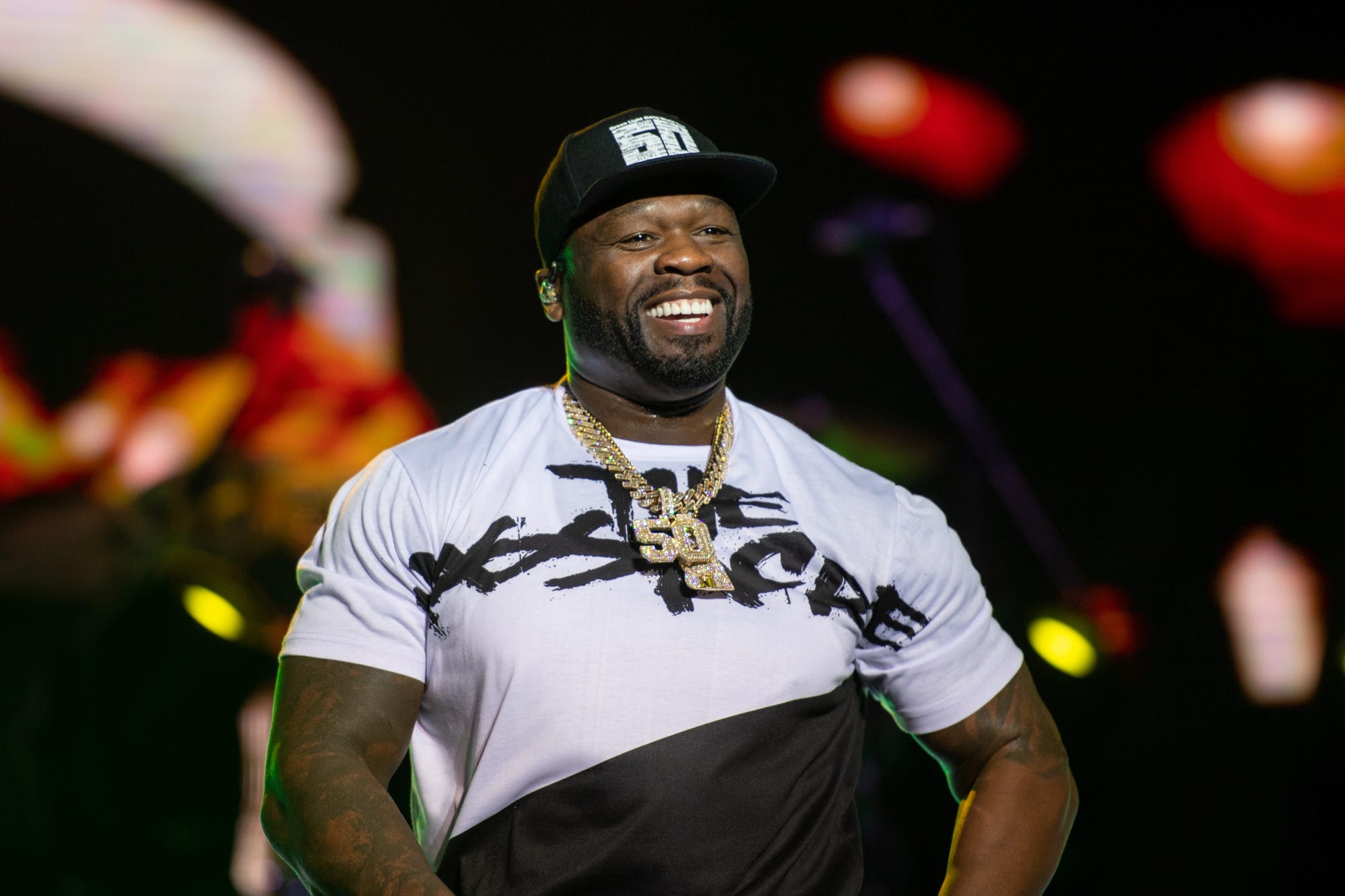
In the episode, Tyler, The Creator, LL Cool J, Slick Rick, Kendrick Lamar, Tupac, Diddy, and 50 Cent become case studies in duality. The hosts talk about LL’s pretty-boy sex symbol era and slow jams, Slick Rick’s furs and gold, Kendrick’s Super Bowl brooch and emotional honesty, Tupac’s theater-kid dramatics and corsets, Diddy’s capes, stunt queen tendencies and flair for the dramatic, and 50 Cent as the “messy butch queen” final boss whose pettiness is as calculated as it is entertaining. Each of these men embodies a blend of masculine and feminine energies that audiences feel, even if they don’t have words for it.
What makes the conversation tender is how Jay Ray and Sir Daniel keep circling back to care for Black men. They speak directly to the harm that comes from labeling everything a man does as “sassy,” from policing boys’ softness, from trying to “break” anything that looks like vulnerability, flair, or emotional complexity. They connect that repression to mental health, to relationship harm, and, in some cases, to violence—and then offer another path: giving Black men space to be their whole selves, in therapy, in love, and in public.
At its heart, this episode is a love letter to the many ways Black men hold multitudes. It honors the ballroom roots of the language, protects it from being watered down, and still invites listeners who might be new to these conversations to sit with the idea that what draws them to their favorite rapper might just be that butch queen balance they can’t quite name.
If you’ve ever watched a performance or a video and thought, “Something about this feels different,” this is an invitation to slow down and look closer.